
At ACP Composites we specialize in the design and manufacture of composite sandwich panels. Our panels are expertly manufactured to deliver superior strength, performance and versatility for a wide range of applications. Whether you’re creating commercial buildings, structural components, or spacecrafts, our panels provide the perfect blend of performance and efficiency.
We specialize in a broad range of sandwich panels engineered from high-performance core materials. But our expertise doesn’t end at panel production. We offer full-spectrum capabilities including precision fabrication, complex assembly, advanced structural integration, and tailored surface finishing—delivering turnkey composite solutions from concept to completion.

Need to discuss your materials requirements?
The outer layers provide solid structural support, while the lightweight core keeps the overall weight down. This makes sandwich panels tough enough to handle heavy loads or harsh weather without being cumbersome to transport or install.
From thicknesses and core types to face sheet options and finishes, we tailor every panel to your specifications.
Built to withstand harsh weather, corrosion, and wear, our panels ensure long-lasting structural performance with minimal maintenance.
Lightweight yet robust, our panels reduce structural setup time and labor costs, getting your project completed sooner.
Keep energy costs low and interiors comfortable with our advanced core materials, tailored to your climate and project needs.
Durable outer layers resist corrosion, wear, and weather damage, so once they’re up, they don’t need much upkeep. This longevity adds to their cost-effectiveness over time.
Insulating core doesn’t just manage temperature, it also dampens sound.
Face Sheets: Aluminum, Carbon Fiber, Fiberglass, Kevlar® and more.
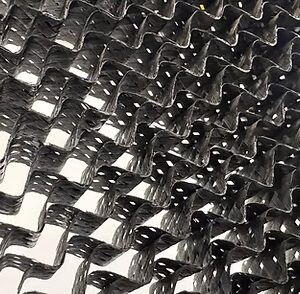
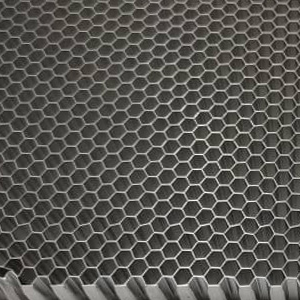
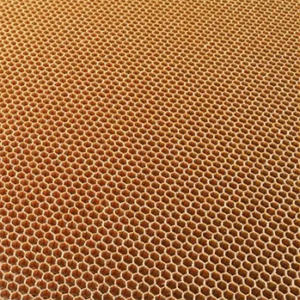
Core Options: Honeycomb (aluminum, carbon, plastic, Nomex) and Foam (polyurethane, PVC, ABS & others)
Sizes: Up to 60″ x 120″* (or custom cut)
Construction: Layup, Finishes, Assembly, Joining
Add-ons: CNC Machining, Cutting, Edge Closeouts, Rebate Edges, Hard Fix Points, Fixtures
Compliance & Testing: Structural Standards, Fire Ratings, Outgassing and Exposure Requirements
*ACP has a maximum work envelope of 60″ x 120″. Available options are contingent on tooling and material availability. KEVLAR® is a registered trademark of E.I. du Pont de Nemours and Company and is used with permission.
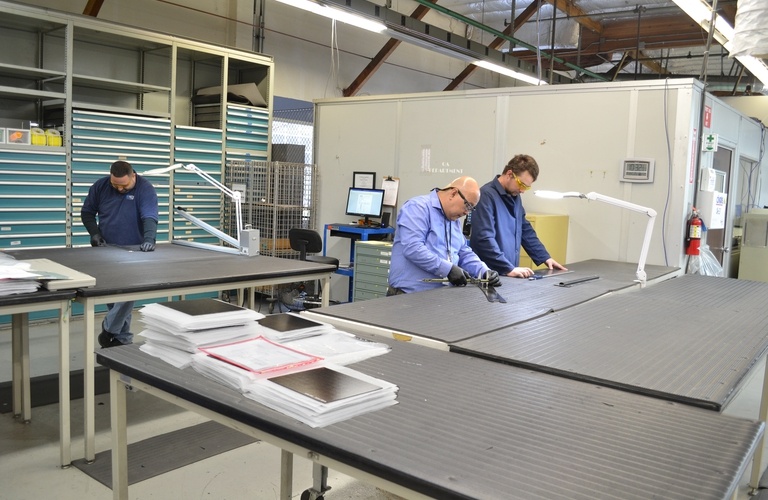
We use high-quality materials and advanced manufacturing techniques to ensure the durability and performance of our sandwich panels.
Our sandwich panels adhere to industry standards and certifications, ensuring compliance and reliability.
We conduct rigorous testing and inspection processes to ensure the quality and performance of our sandwich panels, providing peace of mind to our customers.
We are dedicated to ongoing refinement and enhancement of our manufacturing processes to maintain the highest standards of quality and innovation.




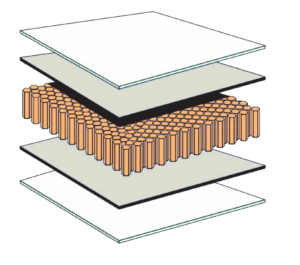
Sandwich panels are lightweight, composite materials designed to streamline structural projects while maximizing efficiency. Manufactured by ‘sandwiching’ a structural core with an outer skin layer, each panel consists of:
Outer Layers (Face sheets)
Aluminum face sheets, FRP composite materials such as carbon fiber, fiberglass, Kevlar® or specialized materials
Core Material
High-performance materials like polyurethane (PFC), aramid honeycomb (NH), polypropylene honeycomb (PP), aluminum honeycomb (AH), Rohacell® PMI Foam (RH), carbon honeycomb (APEX) and more.
Film Adhesive
Epoxy, Polyurethane, Phenolic, Thermoplastics and more. Tailored to your requirements.
This unique layered design makes sandwich panels an all-in-one solution for various applications because it can deliver practical, high-performing solutions that balance strength, efficiency, and adaptability.
We understand that space exploration is not just about pushing the limits of technology—it’s about making that technology reliable, efficient, and sustainable. Our mission is to help space missions succeed by providing lightweight, durable, and customizable materials that improve satellite performance and reduce launch costs.
Reduces overall satellite weight, contributing to more cost-effective launches.
Ensures structural integrity even in extreme conditions.
Maintain thermal stability, ensuring the satellite’s components remain within operational temperatures.
Designed for easy integration into satellite bus architectures, compatible with a wide range of satellite designs.
Tailored to meet the unique needs of your satellite’s structural and design requirements.
Sandwich panels are widely used in aerospace applications due to their unique combination of lightweight construction, strength, and versatility.
Sandwich panels are essential in space applications for their lightweight strength, thermal and radiation protection, and adaptability, making them a cornerstone of spacecraft and satellite construction.
Sandwich panels are used in marine applications for hull construction, decks, and bulkheads, providing strength and durability while reducing overall weight.
Sandwich panels are critical in the construction of medical positioning tables, particularly for diagnostic imaging systems like X-ray, MRI, or CT scanners, due to their unique combination of lightweight strength, durability, and radiolucency.
Sandwich panels are favored in industrial applications for their blend of strength, insulation, and efficiency, making them a smart solution for modern industrial construction.
Sandwich panels find applications in various other industries such as transportation, construction and recreational, demonstrating their versatility and performance.
Can’t find what you’re looking for?
Please reach out to our experts.
Sandwich panels consist of two thin, stiff face sheets (e.g., aluminum, steel, or composites like carbon fiber) bonded to a lightweight core (e.g., honeycomb, foam, or balsa wood). Material choices depend on the application, balancing strength, weight, and cost.
Sandwich panels offer high stiffness and strength under bending, shear, or compression loads. Key properties include shear modulus, bending stiffness, and buckling resistance, often tested per standards like ASTM C393 for core shear properties.
Sandwich panels are significantly lighter than solid materials like steel or concrete, often by 50-70%, due to their low-density cores. This reduces structural loads and transportation costs, especially in aerospace and automotive applications
Panels are made using adhesive bonding, vacuum bagging, or autoclave curing. Challenges include ensuring strong core-face sheet adhesion and avoiding delamination. Assembly involves precise tolerances, quality control, and compatible fasteners or joints.
Performance varies by material. Foam cores provide good insulation, while thermal conductivity and fire resistance depend on the core and face sheets. Panels can resist moisture, UV exposure, or extreme temperatures.
Common methods include adhesive bonding (e.g., epoxy or polyurethane), mechanical fastening, or co-curing in composites. Adhesive bonding is preferred for uniform stress distribution, but requires surface preparation to prevent delamination.
Selection depends on application needs: aerospace prioritizes lightweight, high-strength materials; construction focuses on cost and durability; marine applications require corrosion resistance. Trade-offs between weight, cost, and performance guide choices.
Sandwich panels can be cost-effective due to reduced weight and improved insulation, lowering lifecycle costs. However, initial costs may be higher than materials like steel or concrete, depending on the application.
Yes, repairs involve patching face sheets or replacing core sections. Techniques include scarf repairs for composites or injecting resin into damaged cores. Repair feasibility depends on damage extent and access.
Yes, panels can be tailored for complex geometries, curved surfaces, or large-scale applications. We routinely install metal or composite inserts for payload mounts, access points, and structural reinforcement. Additionally, bonded assemblies and multi-part integration are available as part of our in-house composite assembly services.
By selecting pre-approve as the shipping option you agree to be billed separately for the actual cost of shipping after the order ships.